A failing septic system feels like a $20,000 emergency. In Talbot County it's usually a permit, a grant application and a few days of work — in that order.
Call (443) 258-5440Describe what the system is doing and where the property sits — we'll tell you whether you're looking at a repair, a conventional replacement or a grant-funded BAT system. Call (443) 258-5440.
Talbot Septic arranges complete septic system replacement across Talbot County — failing drain fields, collapsed tanks and septic systems flagged at a home sale — through the Talbot County Health Department permit process, with Bay Restoration Fund grant paperwork handled when the replacement qualifies. Call (443) 258-5440 for a free estimate.
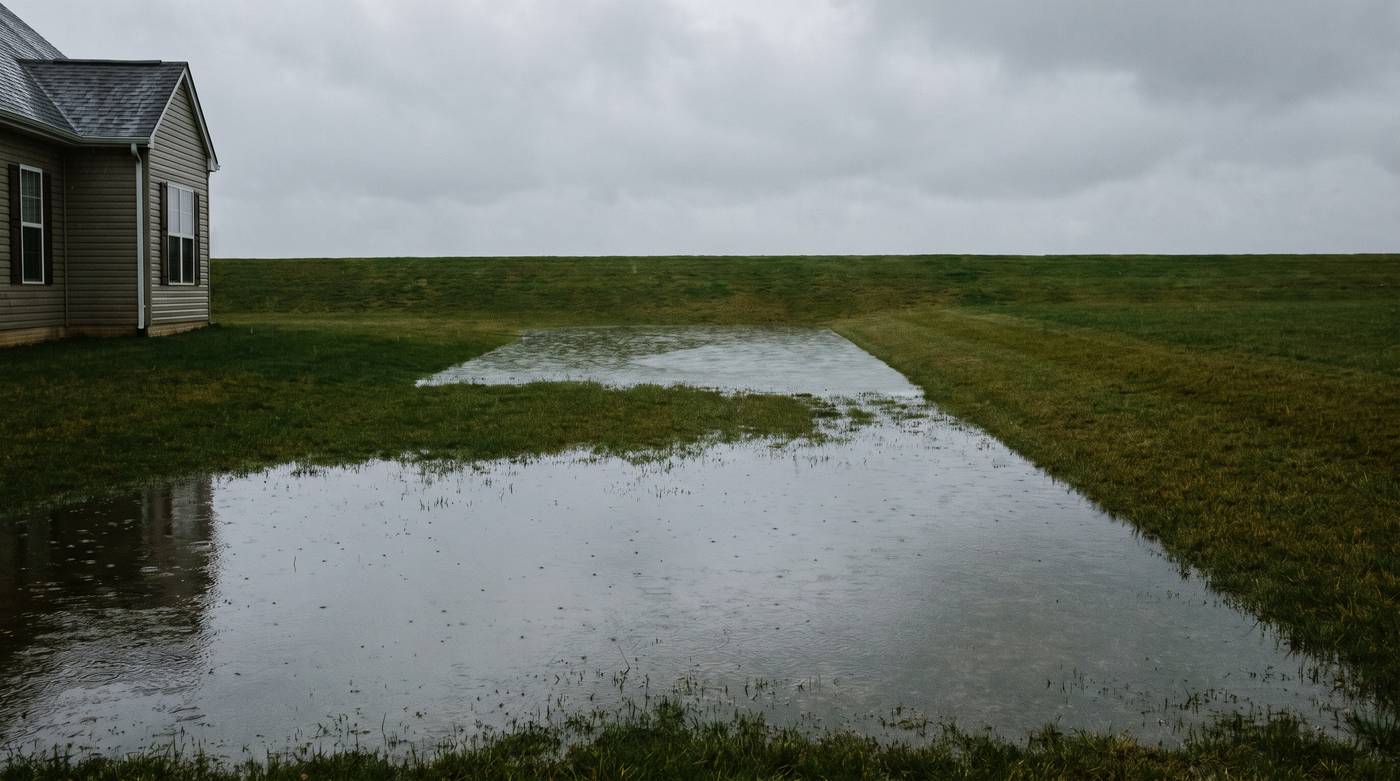
Septic systems on the Eastern Shore rarely die suddenly — they fail slowly, and the property tells you. The classic signs:
In Talbot County a failing system is worth documenting, not hiding: an official failing determination from the Office of Environmental Health is the highest-priority category for Bay Restoration Fund money. A Health Specialist evaluates the property for visual indicators, and a septic evaluation report can confirm it. Failing first, funded first.
What replaces your failed septic system depends on where the property sits. Maryland requires a BAT nitrogen-removing system for replacements in the Chesapeake Bay Critical Area — land within 1,000 feet of tidal water. With 600+ miles of shoreline, that's a large share of Talbot County: nearly all of Tilghman Island, the Bay Hundred necks, the Oxford and Bellevue waterfronts and most of the county's creekside lots. Outside the Critical Area — inland ground around Cordova, Wye Mills and stretches of the Route 50 corridor — a conventional system is usually still allowed.
The BAT requirement arrives with its own funding: the Bay Restoration Fund covers the BAT unit at 100% for most households (total income under $300,000), plus installation and two years of maintenance. The grant does not cover non-BAT components like a new drain field unless you qualify for low-income funding — an honest limit worth knowing before you budget.
The one mistake that costs people the grant: starting work before the grant is awarded. The county's own program terms are blunt — begin installation without an awarded grant offer and the grant is rescinded. Call first. Dig second.
Get the honest read first — repair, replacement, or a grant-funded BAT system. One call answers it for any Talbot County property.
(443) 258-5440In the Easton area a conventional replacement typically runs about $4,000–$5,800; a BAT replacement runs roughly $12,000–$25,000 before grant money. Removal or abandonment of the old tank is usually part of the job. If the property is in the Critical Area, the Bay Restoration Fund may cover 100% of the BAT unit — which can make the required system cheaper out of pocket than the conventional one.
Almost never for wear-out — policies exclude gradual failure, which is what most septic failure is. The realistic funding source in Talbot County is the Bay Restoration Fund, which treats a failing system as its highest priority.
You can, but it usually surfaces in the buyer's inspection and lands on the negotiating table. One warning if you're mid-grant: the Bay Restoration Fund is rescinded if the property is sold before the installation is complete, so sequence the sale and the replacement carefully — our home-sale septic page covers this.
It depends on what failed. A collapsed line, a broken baffle or a dead pump is a repair. A drain field that's saturated after decades of service is a replacement — and pretending otherwise just moves the cost a year down the road. You'll get the honest read, either way.
Once the Sanitary Construction Permit is issued, the dig itself typically takes days, not weeks. The calendar risk is upstream — permits, grant approval and (for some sites) the wet-season soil evaluation window. Calling early is the single best way to shorten the timeline.